
7 Ways to Calculate Your Monthly Mortgage Payment Accurately

A practical guide to What’s the best way to calculate my monthly.
7 Ways to Lock In Mortgage Rates Immediately (2026 Guide)

What’s the best way to lock in mortgage rates immediately? Duane Buziak, NMLS #1110647, ranks seven practical methods, starting with a soft-pull quote and a written broker rate lock whose lock period matches your closing date, plus the habits that keep your locked rate intact through closing. The guide focuses on lock mechanics rather than rate predictions and points readers to Freddie Mac’s Primary Mortgage Market Survey for current averages.
7 Ways to Tap Home Equity With Poor Credit

A practical guide to home equity but poor credit.
Too Much Debt to Qualify for a Mortgage? Here’s What Lenders Actually Count

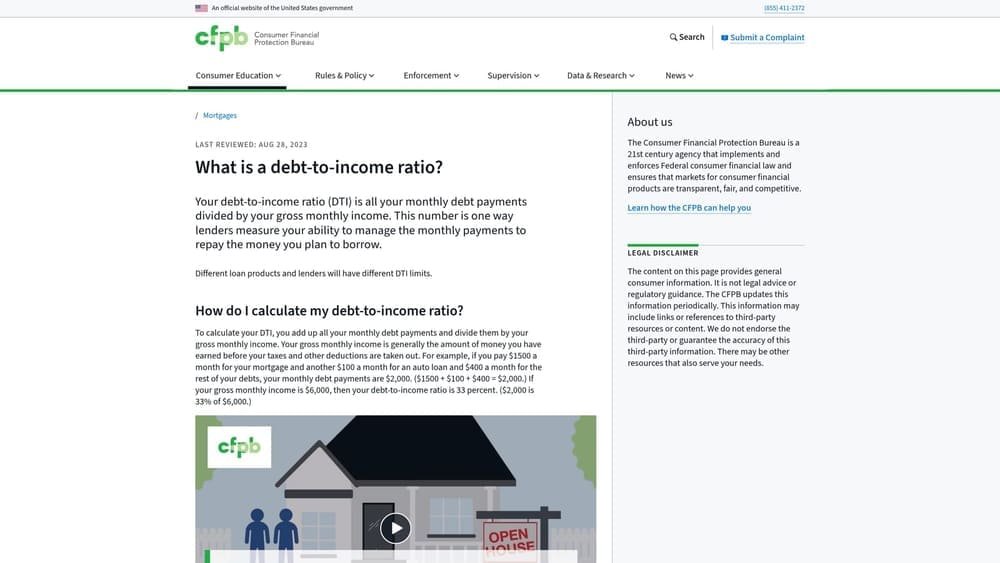
If you fear you have too much debt to qualify for a mortgage, your debt-to-income (DTI) ratio is the number that decides it, and the limits are more flexible than most buyers assume. This guide by Duane Buziak, NMLS #1110647, explains how lenders calculate front-end and back-end DTI, how ceilings differ from the low 40s to 50% or higher by loan program, and how to match your monthly math to the right loan.
How to Switch Mortgage Lenders: A 7-Step Refinance Guide

A practical guide to how to switch mortgage lenders.
Self Employed Mortgage Difficulties: Why Approval Is Harder and How to Fix It
A practical guide to self employed mortgage difficulties.
7 Strategies to Win Your FHA vs Conventional Loan Comparison
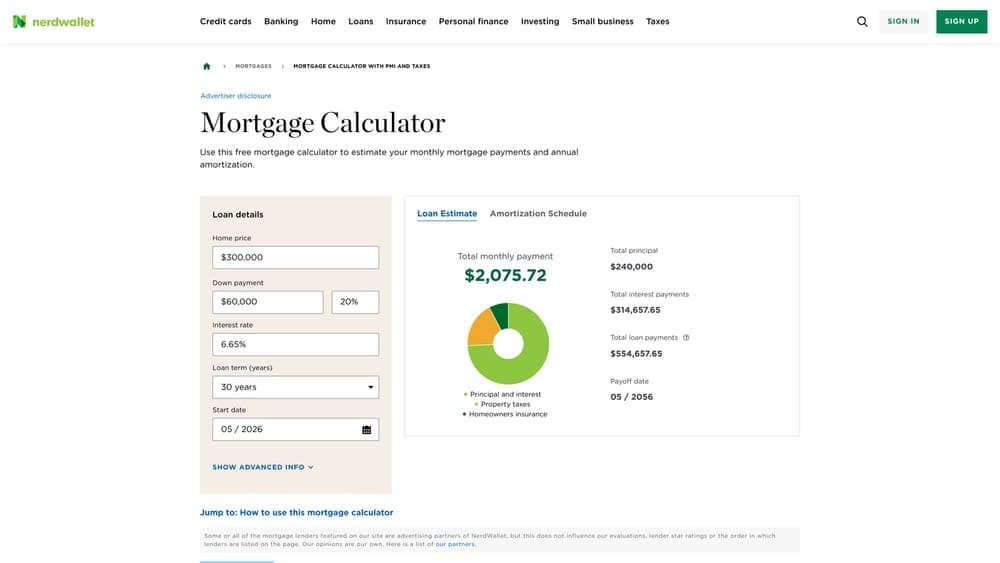
This guide walks through a true FHA vs conventional loan comparison using a worked $350,000 Virginia purchase example, showing how PMI, upfront FHA mortgage insurance, and annual MIP affect total cost over a five-year hold. Duane Buziak, NMLS #1110647, breaks down seven strategies buyers can use to choose the program that actually saves money, not just the one with the lower quoted rate.
What HELOC Alternatives Exist for Home Equity Access?

This guide breaks down what HELOC alternatives exist for home equity access, comparing cash-out refinances, fixed-rate home equity loans, and Non-QM programs so borrowers can choose the right fit based on income documentation and rate preference. Duane Buziak, NMLS #1110647, highlights options for self-employed and non-traditional income borrowers who struggle with standard underwriting.
Leading Loan Comparison Services for Investment Property Analysis

This article explains what leading loan comparison services for investment property analysis should evaluate, from DSCR ratios and cash-on-cash return to multi-lender rate spreads, and shows how broker Duane Buziak structures that comparison versus single-bank tools.
How Can I Get Mortgage Approval With Student Loans?

This guide explains how underwriters actually calculate student loan payments for mortgage approval with student loans, revealing why a $0 income-driven repayment plan can still count as a $300+ monthly debt against your DTI ratio, and what borrowers should prepare before applying.